

Why Choose an Island Hood Extractor?
Island hood extractors hang from the ceiling above your kitchen island, offering an impactful focal point to your open-plan cooking space. They are available in a series of styles from spectacular curved chimney designs to minimalist flat styles. They can either vent outdoors or recirculate air depending on your preference.
Ventilation
The primary reason that people install kitchen extractor hoods is to clear undesirable particulates from the air inside their home. The fans within an extractor hood help to keep steam, smoke and fumes to a minimum, guaranteeing your home and its residents stay fresh, comfortable and healthy.
An island hood extractor is a great option for a modern-day kitchen, enabling you to position the hood in the ceiling over your cooking location. This style of hood is ideal for larger, open kitchens and can be matched with wall-mounted or downdraft cookers. There are also several colours and finishes available so you can find the ideal extractor hood for your home.
In addition to getting rid of undesirable particles from the air, an extractor hood can also assist with heat removal, keeping your kitchen cool and decreasing humidity levels. In fact, an extractor hood has become a requirement in new develop homes to adhere to structure guidelines and enhance indoor air quality.
Depending upon your requirements, you can pick from either a vented or non-vented option for your island hood extractor. Ducted designs are fitted with a duct which is linked to an external vent kit and carries away cooking vapors outside. Non-vented systems use charcoal filters to sieve odours and smoke before pushing clean air back into the space.
For both kinds of hood, it is important to make sure the design you buy has an extraction rate that satisfies your needs. An extractor hood needs to be a minimum of as powerful as your stove in order to successfully eliminate smoke, odours and grease from the air. The quantity of space you have in your kitchen and the variety of people who typically cook for you will likewise determine just how much power you require.
An island hood extractor ought to be set up in your kitchen's ceiling above your hob. Some models feature an installing frame so you can mount them to the wall as well. Others have a flat style, so they are easy to fit under your ceiling. For a smooth, minimalist look, you can even choose for a downdraft hood which increases up directly below your hob when triggered.
Style
Island extractors are a kitchen device that can really include to the look of your space. With designs that vary from traditional chimney cooker hoods like the CDA ECNK91SS to flat styles with LED edge lighting such as the EKPK90BL, they can make an eye-catching statement piece and are best for open-plan kitchens. Nevertheless, as they're designed to be mounted and vented through the ceiling you will require to make sure that your area has enough height to accommodate this kind of hood.
An island hood extractor is a specialised type of cooker hood that is developed to be installed over an island hob and can be ducted out through the ceiling. The advantage of this style of hood is that it can be positioned much closer to your island hob than other kinds of hoods, that makes it more reliable at catching steam, grease and cooking odours. These smells can then be directed outside through the ventilation system. This can also help to keep the surfaces of kitchen cabinets devoid of unwanted dirt and wetness, which could otherwise motivate mould growth and damage cabinet paintwork in time.
kitchen cooker island are created to be venturated out but some can likewise be used for recirculation, which suggests that they don't have a chimney area for ducting and just recycle the air back into your kitchen. They work by removing steam, grease and smells from the air utilizing charcoal filters before pushing it back into your kitchen, which can be more eco-friendly and likewise assists to conserve energy.
Whether you pick to vent your island extractor or use it for recirculation depends on just how much power you require, if you have the space in your ceiling and your individual preference. We provide a range of island extractor fans with various power scores so you can discover the finest option for your home.
Sound
The amount of noise produced by an extractor hood can have a significant effect on the way you utilize your kitchen. If you prepare in an open-plan space, you'll wish to make sure your hood is as quiet as possible. That's why we recommend using our Quiet Mark accredited products, which are independently checked to guarantee they give off the most affordable levels of noise-- equivalent to conversation level in many cases.
Choosing the best extractor hood is a personal option and will depend upon your kitchen environment, how often you prepare and how much extremely you do it. Nevertheless, when picking an island extractor hood you'll likewise need to consider the ventilation requirements of your home and how high your ceilings are.
Downdraft extractor fans sit underneath your hob and rise up when activated, recording smoke, smells and wetness before being vented outside or rerouted back into the kitchen. They're finest for recirculating air, but will not be as efficient as duct-based designs at drawing in fresh air.
Ceiling extractor hoods can be rather undetectable, specifically when they're set up flush to the ceiling and developed to mix in, although you can likewise find some stunning styles that extend from the ceiling and end up being a feature of your kitchen, like our ECNK90SS flat glass island cooker hood. Ceiling hoods are remote regulated and normally have built-in lighting too.
Both island and ceiling hoods can be fairly loud, although many makers now produce systems with lower maximum extraction speed settings. This can considerably lower the noise level. If you do require to run your hood at its highest extraction speed, we 'd advise opting for one with Comfort Silence innovation, which successfully decreases the sound level to around 65 dB( A).
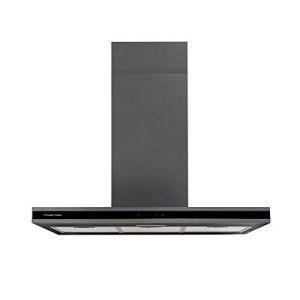
Whether you choose a more traditional chimney style such as our EKPK90BL or a minimalist flat style like our ECNK90SS, an island extractor hood can be a stunning declaration piece that will change your kitchen. Our collection of designer island hoods includes everything from industrial chimney styles to copper-finished pendant lamp looks, so you can produce the ideal surface to your kitchen.
Upkeep
While the main purpose of an extractor hood is to remove smoke, steam and cooking odours from your kitchen, it also plays a key role in preserving the total aesthetic of your kitchen. An unclean extractor hood can significantly reduce its effectiveness, with grease build-ups affecting the odour-detection sensing units and leaving your kitchen with undesirable smells.
To avoid this, it's important to clean your extraction hood routinely. You can do this by wiping the outside down after every usage with a microfibre cloth moistened with warm water and washing-up liquid, or you can use a degreaser for tougher gunk stains (although constantly test a product on an unnoticeable location of the hood first).
Most island range hoods have a detachable grease filter which requires to be cleaned up regularly to keep it working efficiently. Make sure the home appliance is turned off and that any power cable televisions are disconnected from the electrical socket before you start. Then, get rid of the filters and soak them in a basin of warm water and dishwashing liquid or sodium bicarbonate for around 10-15 minutes. This permits the hot water option to break down and dissolve any grease on the surface of the filters before you gently scrub them with a non-abrasive brush or old toothbrush, especially in hard-to-reach locations. Once they've been thoroughly rinsed, pat them dry and put them back in place.
If you have a re-circulation extractor hood, it will likely have carbon filters to help deal with cooking smells before the purified air is blown back into your kitchen. These require to be replaced more frequently as they can end up being less reliable if they get too unclean. If yours are due for a modification, make sure to inspect the producer's manual for particular guidance on how to replace them correctly.
If you're not sure of what kind of extractor hood you have, inspect your user handbook for instructions on how to get rid of the filters and clean the ductwork. Some hoods can be taken apart completely, while others have their filters eliminated at the press of a button or catch.